RICHARD MOFE-DAMIJO
A towering figure in African cinema, Richard Mofe-Damijo—affectionately known as RMD—has captivated audiences for over three decades with his commanding presence and versatile performances. His latest collaboration with director Kemi Adetiba in “The Return of Eniola” sees him delivering what many critics are calling the performance of his career.
What makes Nollywood’s evolution particularly fascinating is its grassroots origin story. Beginning in the early 1990s with low-budget video productions sold in local markets, the industry has transformed itself through sheer determination and entrepreneurial spirit. Today’s Nollywood productions feature state-of-the-art equipment, international co-productions, and distribution deals with major streaming platforms. The industry generates billions of dollars annually and employs millions of people across the continent.
Yet Nollywood is just one chapter in a much larger story. South African cinema continues to produce internationally recognized work, from historical dramas examining the apartheid era to contemporary thrillers exploring urban life. Ghana’s film industry has carved out its own distinctive voice, particularly in comedy and drama. Meanwhile, East African countries like Kenya, Uganda, and Tanzania are experiencing their own filmmaking booms, each bringing unique perspectives and storytelling traditions to the screen.
Kenya’s film industry, often called “Riverwood,” has emerged as a significant player in recent years. Films like “Rafiki,” which made history as the first Kenyan film to premiere at Cannes, and “Supa Modo,” which won numerous international awards, demonstrate the country’s growing cinematic prowess. The Kenyan government’s recognition of film as a cultural and economic asset has led to improved infrastructure, including modern studios and post-production facilities that serve the entire East African region.
The technological revolution has played a crucial role in this expansion. Digital cameras, editing software, and distribution platforms have democratized filmmaking, allowing talented creators to tell their stories without the prohibitive costs of traditional film production. Streaming services like Netflix, Amazon Prime, and local platforms have opened up new avenues for distribution, bringing African films to global audiences in ways that were unimaginable just a decade ago.
Women filmmakers are playing an increasingly prominent role in shaping African cinema’s future. Directors like Wanuri Kahiu, Mati Diop, Apolline Traoré, and others are creating films that challenge patriarchal narratives and center women’s experiences. Their work addresses issues from LGBTQ+ rights to gender-based violence, from professional ambition to personal freedom. These filmmakers aren’t just making films about women—they’re fundamentally changing how stories are told and whose perspectives are considered valuable.


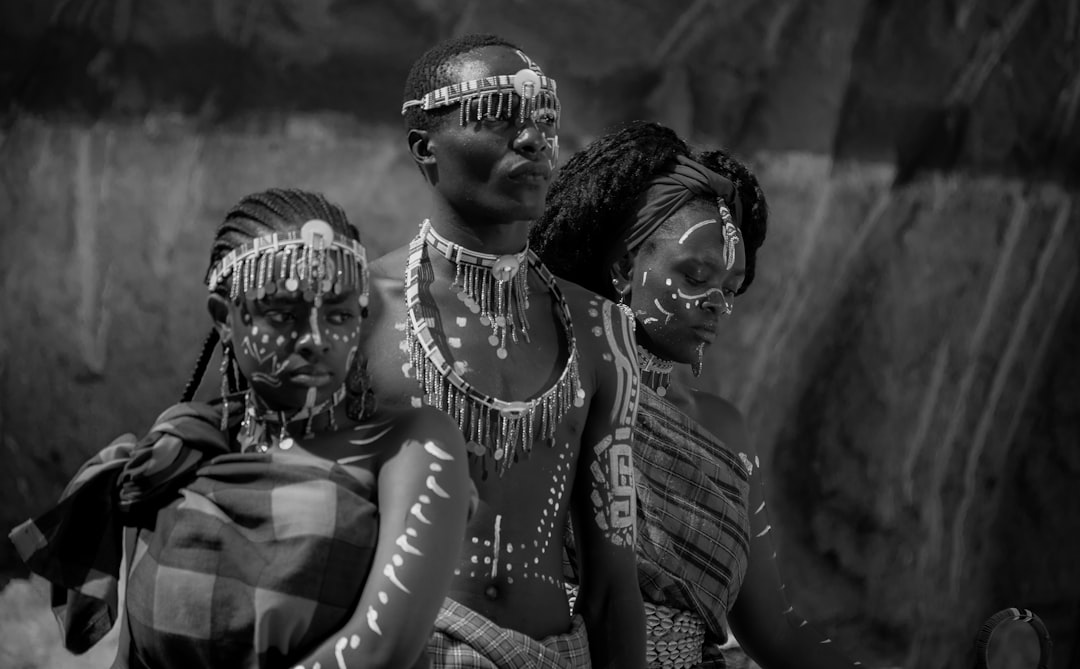



A visual journey through African cinema: from iconic film scenes to behind-the-scenes production moments that capture the vibrant energy and artistry of the continent’s thriving film industry.
Behind the scenes on the set of “Rafiki” (2018), directed by Wanuri Kahiu. The film made history as the first Kenyan feature to premiere at the Cannes Film Festival.
Film festivals have emerged as crucial platforms for African cinema. The Panafrican Film and Television Festival of Ouagadougou (FESPACO), held biennially in Burkina Faso, remains the continent’s premier film festival, celebrating African cinema in all its diversity. The Durban International Film Festival, the Zanzibar International Film Festival, and dozens of other events across the continent provide vital spaces for filmmakers to showcase their work, network with industry professionals, and find distribution opportunities.
International recognition has followed. African films and filmmakers are increasingly present at Cannes, Berlin, Venice, and other major festivals. Films like “Timbuktu,” “Atlantics,” and “The Gravedigger’s Wife” have earned critical acclaim and prestigious awards. African actors, directors, and cinematographers are being recognized for their contributions to world cinema, breaking down barriers and challenging stereotypes.
The economic impact of this cinematic boom cannot be overstated. Film industries across Africa are creating jobs, generating revenue, and contributing to GDP growth. Beyond direct employment, these industries support adjacent sectors: tourism, hospitality, fashion, music, and technology. Countries are beginning to recognize film as not just a cultural asset but an economic engine, leading to policy changes that support production, provide tax incentives, and protect intellectual property.
Yet challenges remain. Infrastructure gaps, limited access to financing, piracy, and distribution bottlenecks continue to hamper growth. Many talented filmmakers struggle to secure funding for their projects, often relying on international grants and co-productions. The COVID-19 pandemic highlighted these vulnerabilities, forcing the industry to adapt rapidly to new production protocols and distribution models.
As we witness this golden age of African cinema unfold, one thing becomes clear: these filmmakers aren’t seeking permission or waiting for approval. They’re creating, innovating, and building an industry on their own terms. They’re proving that African stories have the power to move audiences anywhere in the world, that African talent can compete on any stage, and that the future of global cinema will be shaped, in no small part, by voices from this remarkable continent. The revolution isn’t coming—it’s already here, and it’s being captured on film, one powerful story at a time.
Films to Watch
Kingdom Rising (2026)
The film features an ensemble cast including some of Nollywood's biggest stars and introduces new characters that expand the King of Boys universe, with potential for future spin-off series.
Shadows of Lagos (2025)
Director Kemi Adetiba spent three years developing this final installment, working with a production budget of over $2 million—making it one of the most expensive Nollywood productions to date.
The Return of Eniola (2026)
"The Return of Eniola" marks the conclusion of the King of Boys trilogy, continuing the story of Eniola Salami's rise to power in Lagos's underworld. The franchise has become one of Nigeria's highest-grossing film series.
Le portail casino together retrait confirme jour après jour son ambition d'offrir le meilleur du casino en ligne. Le calendrier promotionnel évolue régulièrement avec des opérations thématiques tout au long de l'année. Les performances mobiles restent stables même sur des appareils plus anciens. Les opérations en euros se déroulent sans frais de change ni surcoût caché. Les jeux instantanés et les cartes à gratter complètent agréablement l'offre principale. Le chat en direct permet d'échanger avec les croupiers et les autres participants. Les mineurs sont strictement écartés grâce à des contrôles d'identité rigoureux. Les guides pas-à-pas mis à disposition aident les nouveaux venus à découvrir l'écosystème. Les filtres de recherche affinent les résultats par catégorie, fournisseur ou volatilité. Les recommandations personnalisées suggèrent de nouveaux titres en fonction des préférences de chaque joueur. Le système de parrainage récompense ceux qui invitent leurs amis à rejoindre la communauté. L'authentification biométrique simplifie la connexion depuis les téléphones compatibles. Les seuils de dépôt et de retrait restent flexibles afin de s'adapter à différents profils de joueurs. Les nouveautés sont mises en avant chaque semaine afin que les joueurs ne ratent rien des tendances. Les sessions de roulette en direct offrent plusieurs angles de caméra pour une immersion maximale. Les outils de jeu responsable comprennent limites de dépôts, alertes et auto-exclusion temporaire. Le délai moyen de réponse en chat est inférieur à deux minutes en heure de pointe. Le tableau de bord personnel centralise l'historique de jeu, les bonus et les transactions. L'ensemble des retours utilisateurs converge vers un même constat : l'expérience est à la hauteur des promesses. Le bilan global est très favorable et invite à recommander la plateforme sans hésitation.
Sur la scène francophone du gaming, vegas plus casino login se forge une identité forte et reconnaissable. Le mode portrait comme le mode paysage sont parfaitement supportés pour le confort visuel. Les contacts via réseaux sociaux constituent une alternative pratique pour des questions rapides. Le moteur de recherche interne retrouve un titre en quelques caractères seulement. Les promotions hebdomadaires offrent des tours gratuits, des bonus de rechargement et des récompenses surprises. Les politiques de confidentialité respectent les standards européens en matière de protection des données. Les recommandations personnalisées suggèrent de nouveaux titres en fonction des préférences de chaque joueur. Le chat en direct permet d'échanger avec les croupiers et les autres participants. Les filtres de recherche permettent de trier les jeux par fournisseur, popularité ou taux de redistribution. Les opérations financières bénéficient de protocoles de chiffrement de niveau bancaire. Les notifications mobiles informent en temps réel des promotions et des tournois en cours. Les guides pas-à-pas mis à disposition aident les nouveaux venus à découvrir l'écosystème. L'interface privilégie la clarté avec une organisation lisible et des menus accessibles. Les tours gratuits offerts à l'inscription permettent de découvrir les machines vedettes sans risque. Les mineurs sont strictement écartés grâce à des contrôles d'identité rigoureux. Le blog de la plateforme propose des articles informatifs sur les stratégies de jeu et les tendances du secteur. Les variantes de baccarat en direct incluent la version Speed et le Squeeze pour les habitués. Le niveau d'exigence affiché par cette plateforme la positionne durablement parmi les leaders. Les fondamentaux sont respectés et même renforcés par des touches modernes bienvenues.