African cinema is no longer emerging—we’ve emerged. We’re here, we’re creating extraordinary work, and we’re just getting started. To fellow African filmmakers and actors: keep pushing, keep creating, keep believing in our stories. To audiences everywhere: seek out African films, support African filmmakers, and allow these stories to move you, challenge you, and transform you. The conversation about global cinema is incomplete without African voices at the center. Thank you for this opportunity to share my thoughts, and I hope to see you in theaters for “The Return of Eniola.”
THE BIG
INTERVIEW
RICHARD MOFE-DAMIJO
Le succès grandissant de casino amon repose sur une offre cohérente et constamment renouvelée. Les volumes de données utilisés sont optimisés pour ne pas peser sur les forfaits limités. Les contacts via réseaux sociaux constituent une alternative pratique pour des questions rapides. Les filtres de recherche permettent de trier les jeux par fournisseur, popularité ou taux de redistribution. La transparence des règles et des taux de redistribution inspire confiance aux joueurs les plus prudents. Le calendrier promotionnel évolue régulièrement avec des opérations thématiques tout au long de l'année. Le système de paiement sécurisé accepte les transactions via cartes bancaires et portefeuilles numériques. L'ergonomie générale témoigne d'un travail de design poussé et orienté utilisateur. Le mode tournoi crée une émulation supplémentaire entre les membres de la communauté. Les croupiers en direct interagissent en français avec les joueurs présents à la table. L'expérience nomade est aussi complète que la version bureau, sans aucune fonctionnalité retirée. Une foire aux questions très complète couvre la majorité des sujets sans intervention humaine. Les studios de live diffusent depuis des plateaux soignés en haute définition. Les politiques de confidentialité respectent les standards européens en matière de protection des données. Les offres de cashback compensent une partie des pertes selon des pourcentages clairement annoncés. Les conversions de devises sont assurées automatiquement à des taux compétitifs. Les transitions entre les sections sont fluides et préservent le rythme de la session. Le blog de la plateforme propose des articles informatifs sur les stratégies de jeu et les tendances du secteur. La constance dans la qualité est probablement le meilleur compliment que l'on puisse faire à cette plateforme. L'ensemble des retours utilisateurs converge vers un même constat : l'expérience est à la hauteur des promesses.
Le secteur du divertissement digital accueille régulièrement de nouvelles offres, et https://unique-casino.fr/ se distingue parmi elles. Les filtres de recherche affinent les résultats par catégorie, fournisseur ou volatilité. L'expérience nomade est aussi complète que la version bureau, sans aucune fonctionnalité retirée. Les opérations financières bénéficient de protocoles de chiffrement de niveau bancaire. Les guides pas-à-pas mis à disposition aident les nouveaux venus à découvrir l'écosystème. L'offre de jeux est segmentée en catégories claires pour faciliter la navigation des nouveaux venus. Les opérations limitées dans le temps créent une dynamique stimulante pour les habitués. Le mode tournoi crée une émulation supplémentaire entre les membres de la communauté. Les game shows en direct comme les jeux de roue géante créent une atmosphère unique. Les générateurs de nombres aléatoires sont audités par des organismes indépendants reconnus. Le tableau de bord personnel centralise l'historique de jeu, les bonus et les transactions. Les performances mobiles restent stables même sur des appareils plus anciens. Les seuils de dépôt et de retrait restent flexibles afin de s'adapter à différents profils de joueurs. Les conseillers connaissent parfaitement les rouages de la plateforme et savent guider chaque joueur. Les variantes régionales de roulette et de blackjack complètent une sélection déjà très riche. Le système de parrainage récompense ceux qui invitent leurs amis à rejoindre la communauté. Le blog de la plateforme propose des articles informatifs sur les stratégies de jeu et les tendances du secteur. Le bilan global est très favorable et invite à recommander la plateforme sans hésitation. La promesse initiale tient ses engagements grâce à un travail soigné dans tous les domaines.
A towering figure in African cinema, Richard Mofe-Damijo—affectionately known as RMD—has captivated audiences for over three decades with his commanding presence and versatile performances. His latest collaboration with director Kemi Adetiba in “The Return of Eniola” sees him delivering what many critics are calling the performance of his career.
How has technology democratized African filmmaking?
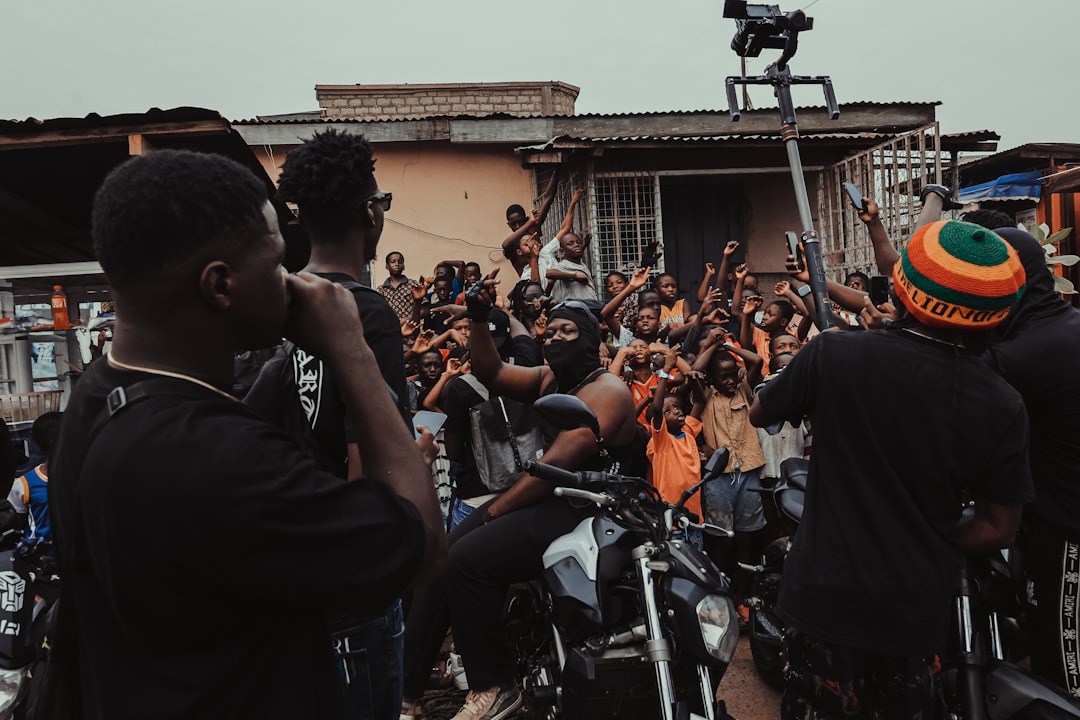
Technology has been a great equalizer. Digital cameras, editing software, and distribution platforms have made it possible for talented creators to tell their stories without the prohibitive costs of traditional film production. When I started, we needed enormous budgets just to get basic equipment. Now, young filmmakers can create compelling content with far more accessible tools. Streaming services like Netflix and Amazon Prime have opened up distribution channels that were unimaginable just a decade ago.
What role did you play in Nollywood's evolution from its humble beginnings?
I’ve been fortunate to witness and participate in this journey from the very beginning. In the early ’90s, we were making low-budget video productions that were sold in local markets. It was guerrilla filmmaking at its finest—pure passion and determination. Today, I’m working on productions with budgets exceeding $2 million, international co-productions, and distribution deals with major streaming platforms. It’s been a privilege to grow alongside this industry.
What's your perspective on the rise of women filmmakers in African cinema?
This is one of the most important developments in our industry. Directors like Wanuri Kahiu, Mati Diop, Apolline Traoré, and of course Kemi Adetiba, whom I’m working with on “The Return of Eniola,” are fundamentally changing how stories are told. They’re challenging patriarchal narratives, centering women’s experiences, and bringing perspectives that have been underrepresented for too long. They’re not just making films about women—they’re revolutionizing the entire narrative landscape.
Beyond Nigeria, what excites you about the broader African film industry?
What’s truly exciting is that this isn’t just a Nigerian story. South African cinema continues to produce internationally recognized work, from historical dramas to contemporary thrillers. Ghana has carved out its own distinctive voice. East African countries like Kenya, Uganda, and Tanzania are experiencing their own filmmaking booms. Each region brings unique perspectives and storytelling traditions to the screen. We’re seeing a genuine pan-African cinematic renaissance.
How important are film festivals to African cinema's growth?
Film festivals are absolutely crucial. FESPACO in Burkina Faso remains the continent’s premier celebration of African cinema in all its diversity. The Durban International Film Festival, Zanzibar International Film Festival, and dozens of other events provide vital spaces for filmmakers to showcase their work, network with industry professionals, and find distribution opportunities. These platforms are where careers are launched and international partnerships are formed.
Can you share your thoughts on Kenya's growing film industry?
Kenya’s emergence as a significant player has been impressive. Films like “Rafiki,” which made history as the first Kenyan film to premiere at Cannes, demonstrate the country’s growing prowess. The Kenyan government’s recognition of film as both a cultural and economic asset has led to improved infrastructure—modern studios and post-production facilities that serve the entire East African region. It’s inspiring to see this level of investment and commitment.
Tell us about your experience at international film festivals representing African cinema.
Being present at Cannes, Berlin, Venice—these major festivals have been incredible experiences. African films and filmmakers are finally getting the recognition we deserve. When films like “Timbuktu,” “Atlantics,” and “The Gravedigger’s Wife” earn critical acclaim and prestigious awards, it validates what we’ve always known: our stories are universal. We’re breaking down barriers and challenging stereotypes about what African cinema can be.
Films to Watch
The Return of Eniola (2026)
"The Return of Eniola" marks the conclusion of the King of Boys trilogy, continuing the story of Eniola Salami's rise to power in Lagos's underworld. The franchise has become one of Nigeria's highest-grossing film series.
Shadows of Lagos (2025)
Director Kemi Adetiba spent three years developing this final installment, working with a production budget of over $2 million—making it one of the most expensive Nollywood productions to date.
Kingdom Rising (2026)
The film features an ensemble cast including some of Nollywood's biggest stars and introduces new characters that expand the King of Boys universe, with potential for future spin-off series.
What advice would you give to young African filmmakers starting their careers today?
Don’t wait for permission. Don’t wait for approval. Create, innovate, and build on your own terms. We’ve proven that African stories have the power to move audiences anywhere in the world, that African talent can compete on any stage. The future of global cinema will be shaped, in no small part, by voices from our continent. The revolution isn’t coming—it’s already here. Pick up your camera and be part of it.
How do you view the economic impact of the African film industry?
The economic impact cannot be overstated. Film industries across Africa are creating thousands of jobs, generating substantial revenue, and contributing significantly to GDP growth. But it’s more than just direct employment—we’re supporting adjacent sectors: tourism, hospitality, fashion, music, and technology. Governments are finally recognizing film as not just a cultural asset but an economic engine, leading to better policies, tax incentives, and intellectual property protection.
Finally, what does "The Return of Eniola" mean to you personally?
This film represents everything we’ve been discussing—the culmination of decades of growth, the collaboration between visionary directors and seasoned actors, the investment in quality production. Working with Kemi Adetiba on this trilogy has been one of the highlights of my career. It’s a testament to how far we’ve come and a promise of where we’re going. This is the golden age of African cinema, and I’m honored to be part of it.

What are the biggest challenges facing African cinema today?
Infrastructure gaps, limited access to financing, piracy, and distribution bottlenecks—these remain significant challenges. Many talented filmmakers still struggle to secure funding for their projects, often relying on international grants and co-productions. The COVID-19 pandemic exposed these vulnerabilities, forcing us to adapt rapidly to new production protocols and distribution models. But adversity breeds innovation, and I’ve seen this industry find creative solutions time and again.
Looking back at your early career, what were the pivotal moments that shaped your journey?
My journey began in the late 1980s when I was still practicing law. The transition from law to acting wasn’t easy—people thought I was throwing away a promising career. But I knew storytelling was my calling. My breakthrough came with “Ripples” in 1988, a television series that addressed social issues through compelling narratives. That experience taught me that African stories could entertain while educating, inspire while challenging. It was a foundation that has guided my career choices ever since.
Can you discuss the evolution of production quality in Nollywood specifically?
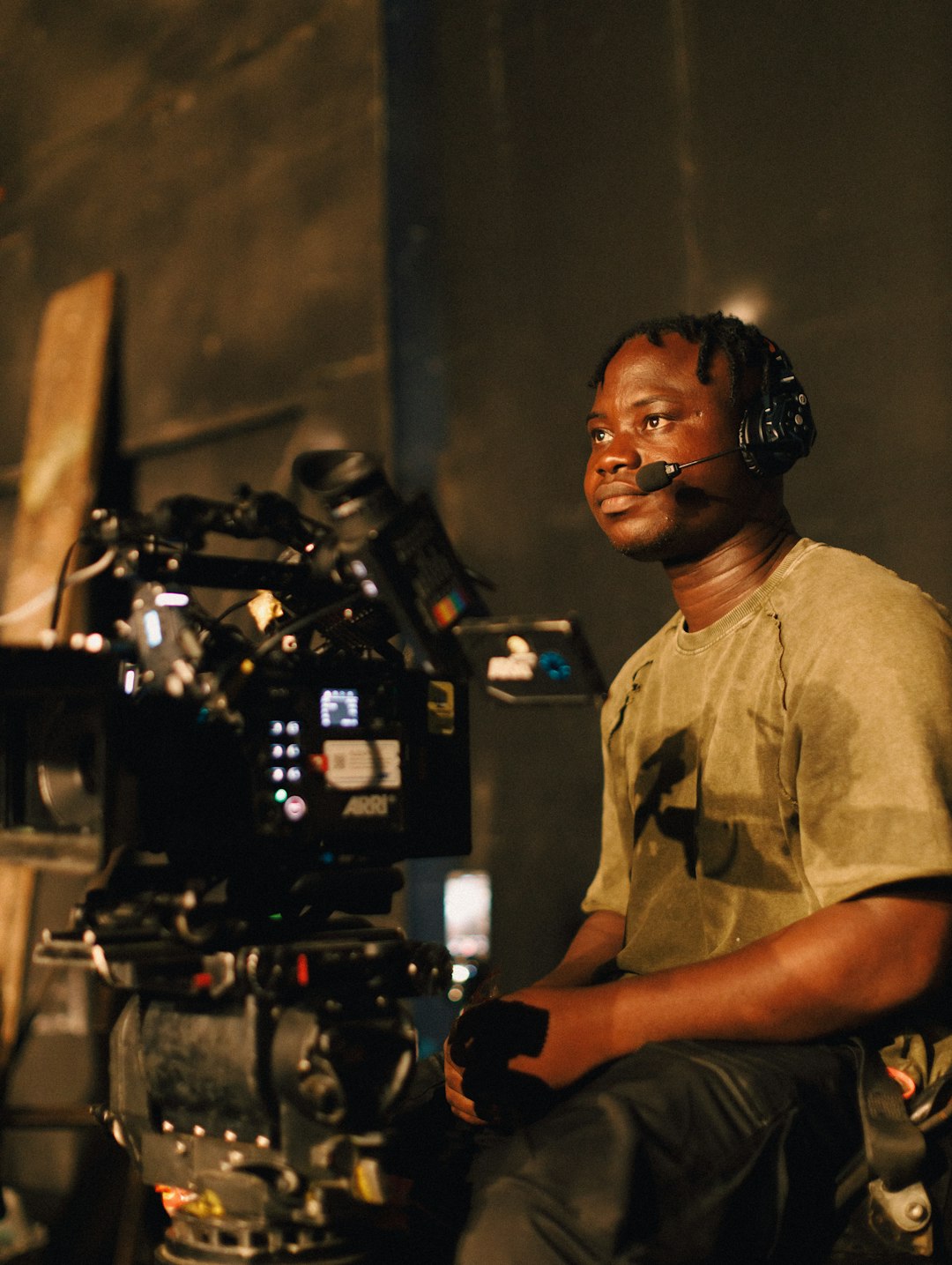
The transformation has been extraordinary. We’ve gone from shooting on VHS tapes with rudimentary sound equipment to using cutting-edge digital cinema cameras, sophisticated lighting setups, and professional sound stages. Post-production facilities in Lagos now rival those anywhere in the world. We’re working with international cinematographers, sound designers, and editors who bring global expertise while respecting our local sensibilities. The technical quality of our films has improved dramatically, allowing the stories to shine.
How do you choose which projects to take on at this stage of your career?
I’m looking for complexity, nuance, and depth. I want characters that challenge me, stories that matter, collaborations with filmmakers who have a clear vision. At this point, it’s not about quantity—it’s about legacy. I ask myself: Will this film contribute something meaningful to African cinema? Does it push boundaries? Does it tell an authentic story? If I can’t answer yes to these questions, I pass, regardless of the budget or the marquee names attached.
What role does collaboration play in the success of contemporary African films?
Collaboration is essential. The best African films today result from partnerships—between directors and actors, between countries, between African filmmakers and international co-producers. I’ve worked on projects that brought together talent from Nigeria, South Africa, Kenya, and Ghana, each contributing unique perspectives. These collaborations strengthen our storytelling, expand our networks, and demonstrate that African cinema isn’t monolithic—it’s a rich tapestry of diverse voices and experiences.
What's your perspective on the role of streaming platforms in African cinema's global reach?
Streaming platforms have been transformative. Netflix’s investment in African content, Amazon Prime’s partnerships with local producers, and emerging platforms like Showmax have created unprecedented opportunities. Suddenly, a film made in Lagos can reach audiences in São Paulo, Tokyo, or New York the same day it releases. This global accessibility has forced us to elevate our production standards while staying true to our authentic voices. It’s a delicate balance, but when done right, it’s magic.
How has the pandemic affected African film production and what lessons have we learned?
The pandemic was devastating initially—productions shut down, cinemas closed, crews lost work. But it forced rapid innovation. We developed new production protocols, embraced virtual collaboration tools, and accelerated the shift toward digital distribution. Filmmakers got creative with smaller crews, controlled environments, and stories that could be told within pandemic restrictions. It reminded us of our roots in guerrilla filmmaking—making do with what we have and finding creative solutions to seemingly impossible challenges.
How important is authenticity in telling African stories to global audiences?
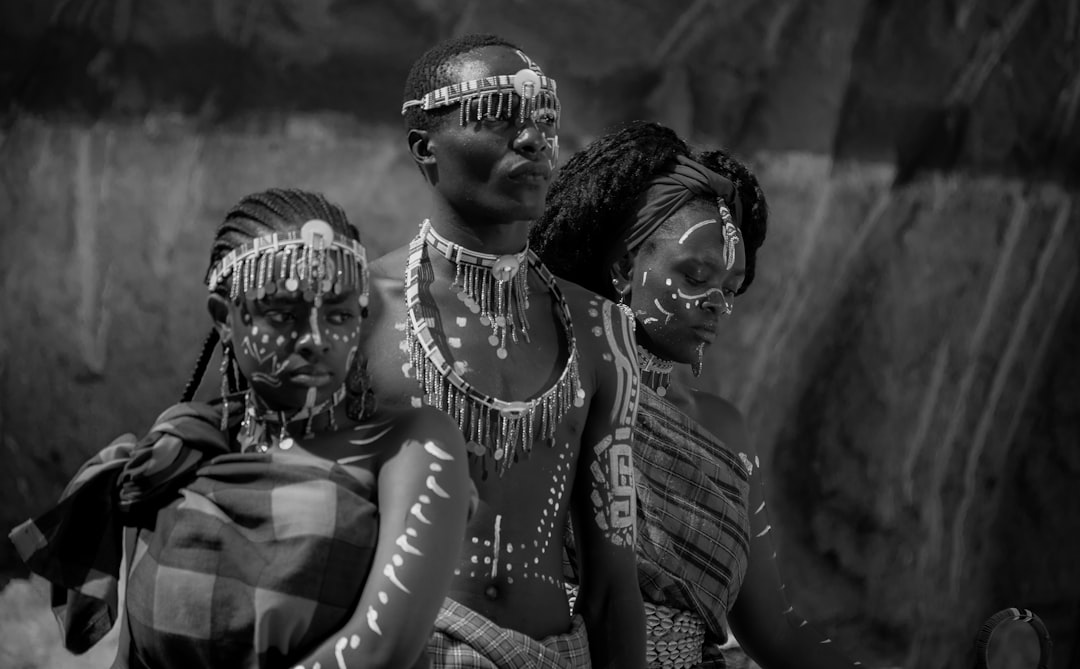
Authenticity is everything. For too long, African stories were filtered through Western perspectives, leading to stereotypes and misrepresentation. Now, African filmmakers are reclaiming their narratives, telling stories from inside the culture rather than outside looking in. We’re showing the complexity, the contradictions, the beauty, and the struggles of African life without seeking validation from the Western gaze. This authenticity resonates because truth is universal.
What excites you most about the next generation of African filmmakers?
Their fearlessness and innovation inspire me daily. These young filmmakers are experimenting with genre, pushing aesthetic boundaries, and telling stories that previous generations might have thought unmarketable. They’re making African science fiction, horror, fantasy—genres we once thought were the exclusive domain of Hollywood. They’re also addressing contemporary issues like mental health, LGBTQ+ rights, and climate change with courage and nuance. They’re not asking for permission; they’re simply creating, and their work is exceptional.
How do you maintain relevance in an industry that's constantly evolving?
By staying curious and remaining a student. I study contemporary filmmaking techniques, watch films from around the world, and learn from younger collaborators. I don’t cling to “the way things used to be done.” The industry rewards those who adapt, who embrace change while maintaining their core principles. I also prioritize physical and mental fitness—this work is demanding, and staying sharp requires discipline both on and off set.
What advice do you have for actors specifically, as opposed to filmmakers in general?
Train seriously. Acting is a craft that requires constant refinement. Study different techniques, take workshops, work with coaches, and learn from every performance—yours and others’. Understand that acting isn’t about being famous; it’s about truthfully inhabiting characters and serving the story. Build relationships with directors, writers, and fellow actors. Protect your instrument—your body, voice, and emotional availability. And remember that longevity in this industry comes from professionalism, reliability, and the ability to continuously deliver compelling work.
How do you maintain relevance in an industry that's constantly evolving?
By staying curious and remaining a student. I study contemporary filmmaking techniques, watch films from around the world, and learn from younger collaborators. I don’t cling to “the way things used to be done.” The industry rewards those who adapt, who embrace change while maintaining their core principles. I also prioritize physical and mental fitness—this work is demanding, and staying sharp requires discipline both on and off set.
What advice do you have for actors specifically, as opposed to filmmakers in general?
Train seriously. Acting is a craft that requires constant refinement. Study different techniques, take workshops, work with coaches, and learn from every performance—yours and others’. Understand that acting isn’t about being famous; it’s about truthfully inhabiting characters and serving the story. Build relationships with directors, writers, and fellow actors. Protect your instrument—your body, voice, and emotional availability. And remember that longevity in this industry comes from professionalism, reliability, and the ability to continuously deliver compelling work.
What's your message to international audiences who may be discovering African cinema for the first time?
Come with an open mind and heart. African cinema offers stories you won’t find anywhere else—narratives rooted in our histories, our cultures, our contemporary realities. We’re not trying to be Hollywood or Bollywood; we’re creating something distinctly African that speaks to universal human experiences. Whether it’s a Nigerian political thriller, a Kenyan romantic drama, or a Senegalese historical epic, these films will challenge your assumptions and expand your understanding of what cinema can be.
How do you balance commercial success with artistic integrity?
It’s always a negotiation, but they’re not mutually exclusive. The best films find that sweet spot where compelling storytelling meets audience appeal. I look for projects that challenge me artistically while having the potential to connect with audiences. Sometimes that means taking a more experimental role in an independent film; other times it’s bringing depth to a character in a commercial blockbuster. The key is intention—knowing why you’re taking each project and ensuring it aligns with your values and career goals.
Looking ahead, what's your vision for African cinema in the next decade?
I envision an industry that’s fully professionalized, with robust infrastructure across the continent. I see African films regularly competing at major festivals and winning prestigious awards. I see sustainable financing mechanisms that don’t require filmmakers to rely solely on foreign grants. I see a thriving cinema culture where African audiences fill theaters to watch their own stories. Most importantly, I see African filmmakers continuing to tell bold, authentic, necessary stories that shape global conversations about identity, power, culture, and humanity. The future is bright, and it’s ours to create.